November 9, 2026
What Every Home Cook Should Know About Cheese Pizza
By @finnbudq837
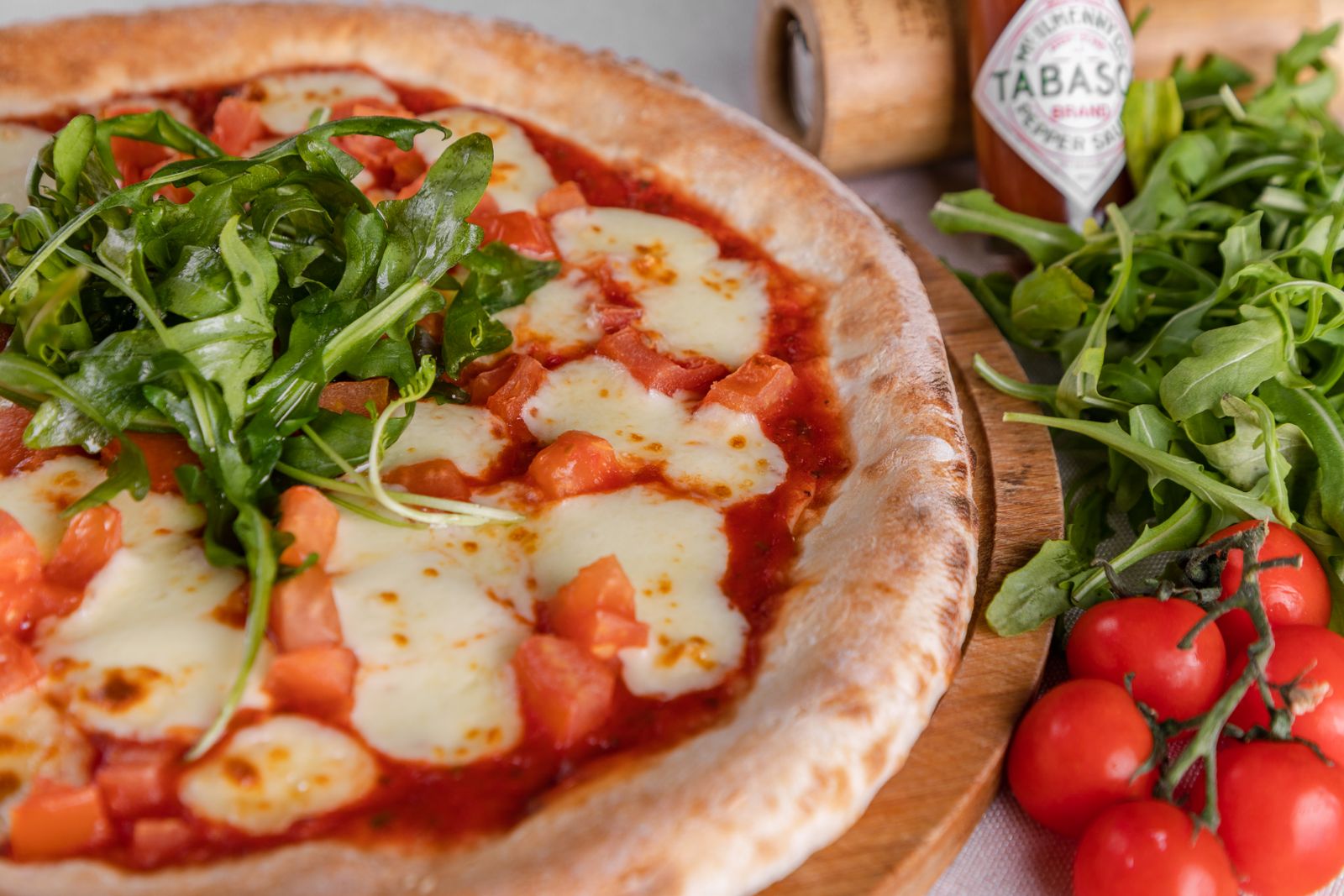
Cheese Pizza looks simple, and that is exactly why it exposes every weak point in a home kitchen. When there are no pepperoni cups, no vegetables, no sausage, no drizzle to distract you, the dough, sauce, cheese, and bake all have to work. A good cheese pizza is not plain. It is focused. It asks for judgment more than complexity.
I have watched skilled home cooks make excellent braises, roast perfect chickens, and still turn out disappointing pizza. The usual problem is not effort. It is expectation. People assume pizza is forgiving because it is familiar. In practice, it rewards attention to heat, moisture, timing, and restraint. Especially restraint.
Once you understand a few fundamentals, cheese pizza becomes one of the most satisfying things you can make at home. It is fast enough for a weeknight if you keep dough on hand, impressive enough for guests, and adaptable to almost any oven setup. The trick is knowing which details matter and which ones do not.
Why cheese pizza is the real test
A heavily topped pizza can hide flaws. Cheese Pizza cannot. If the crust is pale, you notice. If the sauce is too sweet, it dominates. If the cheese breaks into oil, the surface looks greasy and the bite feels heavy. If the dough is under-seasoned, the whole slice tastes flat no matter how much Parmesan you shake on top.
That stripped-down nature is useful. It teaches cause and effect. A two-minute difference in bake time matters. So does one extra ladle of sauce. So does the mozzarella you buy. With repeated batches, home cooks start to recognize the signals: when dough is proofed enough, when the stone is finally hot, when the cheese is melted but not yet overcooked, when the pie should come out even if one more minute sounds safer.
A great cheese pizza has contrast. The crust should have both chew and lightness. The sauce should taste like tomatoes, not oregano paste. The cheese should blanket the pie without suffocating it. Every element should support the others.
Start with the dough, because everything else sits on it
Most home pizza failures start below the toppings. Dough does not need to be mystical, but it does need time. A same-day dough can work, especially for thinner styles, yet a slow cold fermentation almost always brings better flavor and easier handling. Even 24 hours in the refrigerator helps. Forty-eight to seventy-two hours often helps more, though there is a point where very long fermentation can make dough slack and harder to shape.
Hydration matters, but not in the way internet debates suggest. For many home ovens, a moderate dough hydration, roughly in the low to mid 60 percent range, is easier to handle and produces reliable results. Higher hydration can produce lovely openness and tenderness, but it also demands skill, stronger flour, and enough heat to drive off extra moisture. If your kitchen is already challenging, adding a sticky dough usually makes the learning curve steeper.
Salt is not optional seasoning. It is structural. Under-salted dough tastes dull and ferments differently. Olive oil in dough is a style choice, not a universal requirement. It can soften texture and make stretching easier, especially for pan pizzas or American home oven styles. For a leaner, more classic crust, flour, water, yeast, and salt are often enough.
Flour choice shapes the final result more than many people realize. Bread flour generally gives more chew and strength. All-purpose flour can still produce very good pizza, especially if that is what you keep in the pantry. The difference becomes more noticeable when you chase specific styles. A very airy Neapolitan-inspired pie and a crisp, foldable New York style are not asking the same thing from flour.
Kneading does not need to be dramatic. What you want is a smooth, elastic dough with enough gluten development to hold gas. Overmixing is less common in home kitchens than undermixing, but both exist. If the dough tears the moment you stretch it, it may be underdeveloped Cheese Pizza or under-rested. If it keeps shrinking back aggressively, it often needs more bench rest.
Sauce should be bright, not busy
The best sauce for Cheese Pizza is usually less cooked and less seasoned than home cooks expect. Many people apply pasta-sauce logic to pizza and end up with something too thick, too sweet, or too herbal. Pizza sauce spends time in the oven. It reduces on the pie. It needs room to stay fresh.
Canned whole tomatoes often outperform fresh ones unless tomatoes are at peak season and you know exactly how watery they are. Good canned tomatoes are consistent, and consistency matters. Crushing by hand or with a quick pulse preserves texture better than fully pureeing. A completely smooth sauce can work, but it tends to sit more heavily Cheese Pizza unless applied very lightly.
Salt may be enough. A little olive oil can help. A small amount of garlic is common, though plenty of excellent pizzas use none. Dried oregano is a style choice, not a requirement. Sugar is often a patch for poor tomatoes or over-acidic sauce, not a sign of a better recipe.
The biggest mistake is using too much sauce. Home cooks often think in circles rather than layers. They want every visible inch covered. Then the center turns wet, the bake slows down, and the cheese slides. On a typical 12-inch pizza, the difference between a balanced amount of sauce and too much may be only a few tablespoons. That sounds minor until you taste the finished pie.
The cheese matters more than the label on the bag
If there is one ingredient worth upgrading, it is the cheese. The phrase “pizza cheese” on a package tells you almost nothing. Moisture level, milk quality, age, and shredding condition all affect the bake.
Low-moisture mozzarella is the workhorse for many home pizzas because it melts evenly and browns well. Fresh mozzarella can be excellent, but it introduces more water and can leave puddles unless drained thoroughly. Whole-milk low-moisture mozzarella generally gives better flavor and melt than part-skim, though part-skim can brown faster and feel a little less rich. Neither is wrong. They simply behave differently.
Pre-shredded cheese is convenient, but it often contains anti-caking agents that affect melt. Sometimes the difference is small. On a rushed Tuesday, it may be worth accepting. When you want your best pizza, buy a block and grate it yourself. The texture is usually smoother, the coverage more even, and the browning more attractive.
A lot of good Cheese Pizza also uses a second cheese in a supporting role. Not a blend so complicated that it tastes muddy, just enough to deepen flavor. Pecorino Romano, Parmesan, provolone, fontina, or a little aged mozzarella can all contribute. The key is proportion. The supporting cheese should season the pizza, not overwhelm it.
Here is a practical guide for what to buy:
- Whole-milk low-moisture mozzarella for the best all-around home result
- Part-skim low-moisture mozzarella if you want slightly firmer melt and quicker browning
- Fresh mozzarella only if you can drain it well and bake hot enough to manage the extra moisture
- Parmesan or Pecorino in a light finishing amount for sharper flavor
- Avoid very oily bargain cheese, which tends to separate and leave a greasy top
Heat is not just a number on the dial
People talk about pizza as if the oven temperature alone decides success. It does not. Stored heat matters as much as set temperature. A home oven may claim 500°F, but if the steel or stone has not been preheated long enough, the bottom crust will lag behind the top. Then you get pale undersides and overcooked cheese.
For most home setups, a thorough preheat means at least 45 minutes, and often closer to an hour, for a stone or steel. A steel transfers heat faster than a stone and tends to brown the bottom more aggressively, which can be a big advantage in home ovens that top out below professional deck oven temperatures. The trade-off is that steel can scorch if you are not paying attention, especially with thin dough or sugary sauce.
Rack position matters. A lower rack helps drive bottom browning. A higher rack can improve top color. Many home cooks settle in the upper-middle or middle position when using steel, then finish with the broiler for 30 to 90 seconds if the top needs a push. That broiler finish can be transformative, but it requires nerve. Pizza can go from pale to beautifully spotted to burnt in a very short span.
If you use a sheet pan or cast-iron skillet instead of a stone or steel, adjust your expectations and method rather than fighting the equipment. Pan pizza thrives in a different environment. Oil in the pan helps fry and crisp the bottom, creating a texture that a bare-baked hearth-style pizza will never have. It is not a compromise. It is a different style with its own strengths.
The right amount of cheese is usually less than you think
Home cooks tend to over-cheese pizza. It makes sense emotionally. Cheese is the draw. Yet too much cheese insulates the surface, delays browning, and creates a thick, heavy layer that can slide off in one sheet. On a medium pie, a difference of one or two ounces changes the entire feel of the slice.
Good coverage is not the same as thick coverage. You want enough cheese to protect the sauce, melt into a unified layer, and brown in spots. You do not want a blanket so dense that steam gets trapped underneath. When cheese pizza is balanced, you can still taste crust and sauce distinctly through the richness of the dairy.
Distribution matters too. Many people pile cheese in the center and leave the outer ring sparse. That creates a soggy middle and dry edges. Aim for an even scatter with a slight bias away from the very center. During baking, cheese naturally shifts and settles inward.
If you are using fresh mozzarella, tear or slice it in smaller pieces than you think necessary and blot it well. Big wet rounds look appealing before the bake and often disappoint after it.
Stretching dough without fighting it
Rolling pins have their place, but they are rarely the best tool for a lively pizza dough. Rolling flattens the gas you worked to build. Hand stretching preserves more of that airy rim and gives the crust better texture. That said, dogma is not useful. If your dough is overproofed, underproofed, or simply awkward, a light pin pass may rescue dinner. Purity is less important than an edible result.
Most shaping problems come from impatience. Cold dough resists. Tight dough resists. Newly divided dough resists. Let it warm slightly and rest. Ten to twenty minutes on the bench can be the difference between a frustrating spring-back and a cooperative round.
Flour the bench enough to prevent sticking, but not so much that raw flour burns on the baking surface. Semolina or coarse flour can help with launching, though too much leaves a gritty underside. A peel should feel like a runway, not a sandbox.
Once the dough is on the peel, work quickly. The longer it sits with sauce and cheese, the greater the chance of sticking. Every pizza maker eventually learns this the annoying way: the pie that launched beautifully in your head suddenly folds over itself because it fused to the peel during topping.
A home cook’s best friend is restraint
There is a pattern I see repeatedly with Cheese Pizza. The dough is decent. The oven is hot enough. The ingredients are fine. Then someone adds just a little too much of everything. A little more sauce. A little more cheese. A little more time because the crust color does not look dramatic enough. Those “little more” decisions stack up.
The best pizzas often feel slightly underdone a minute before they are perfect. That is where judgment comes in. Carryover heat exists. The cheese continues to settle. The crust continues to firm as steam escapes. If you wait for total stillness in the oven, you may overshoot the sweet spot.
This is especially true with richer cheeses. They can move from supple to oily quickly. Once the proteins tighten too much, you lose that smooth, stretchy melt and start getting greasy separation. Some bubbling is good. A lake of orange oil is not the goal for most cheese pizza styles.
Small finishing touches that actually help
A finished Cheese Pizza rarely needs much, but a few additions can sharpen it. A light snowfall of finely grated Parmesan after baking adds salinity and nuttiness. A few torn basil leaves can brighten the richness if used sparingly. Good olive oil can lend aroma, though too much dulls the crust. Crushed red pepper is less about heat than contrast.
What matters is timing. Fresh herbs should usually go on after the bake unless you specifically want them dried and crisped. Hard grating cheese can go on before or after, depending on whether you want it baked into the surface or preserved as a fresher accent. Oil almost always makes more sense at the end.
Finishing salt is less common than people think, largely because the cheese already contributes plenty. If your pizza tastes flat, the issue may not be a lack of finishing salt. It may be under-seasoned dough or timid sauce.
Common problems and what they are really telling you
Most pizza flaws are diagnostic. They point back to a process issue rather than random bad luck. Once you learn to read them, improvement speeds up.
- Pale bottom and overdone cheese usually mean the baking surface was not fully preheated
- Wet center often means too much sauce, too much fresh mozzarella, or dough stretched too thin in the middle
- Cheese that burns before the crust finishes can signal too much sugar in the sauce, an oven rack that is too high, or cheese placed too close to the edge
- Dough that tears while shaping often needs more rest, stronger gluten development, or gentler handling
- Dense crust can come from under-fermentation, over-flouring during shaping, or pressing out too much gas
One useful habit is changing only one variable at a time. If you switch flour, hydration, fermentation, cheese brand, and oven position all in the same session, the result tells you very little. Pizza rewards controlled tinkering. Even casual notes on your phone can help. Record dough weight, oven setup, and bake time. After four or five rounds, patterns emerge.
Style matters, and so does honesty about your oven
A lot of frustration comes from chasing a style your oven cannot realistically deliver. That does not mean home cooks cannot make excellent pizza. They can. It means a 550°F indoor oven behaves differently from a wood-fired oven running dramatically hotter. If you want leopard-spotted, deeply blistered Neapolitan results, you may need an outdoor pizza oven or at least expectations calibrated to indoor equipment.
Fortunately, Cheese Pizza thrives across styles. A New York-inspired pie with low-moisture mozzarella and a slightly longer bake is achievable in many home ovens. So is a crisp pan pizza with a caramelized cheese edge. Even a thin tavern-style pie works well at home because it benefits from an evenly baked crust more than explosive oven spring.
The smartest home cooks lean into what their equipment does well. If your oven browns the top weakly but delivers strong bottom heat with a steel, use the broiler strategically. If your oven struggles to crisp the bottom of a large pie, make smaller pizzas. If launching feels stressful, build confidence with pan pizza before moving to peel-and-stone baking.
Timing dinner so the pizza arrives at its best
Cheese Pizza waits for no one. It is one of the few dinners that genuinely degrades by the minute once it leaves the oven. The crust softens, the cheese firms, the aromas fade. That does not mean you need restaurant-level theatrics, but it does mean your table should be ready before the bake starts.
Have the cutter out. Have plates ready if you use them. If you are making multiple pies, decide whether you are serving them one at a time or holding them briefly on a rack. Never trap a hot pizza on a flat plate or cutting board for long, especially if the bottom is nicely crisp. Steam collects underneath and undoes your work.
A cooling rack is surprisingly useful. Sixty to ninety seconds on a rack can preserve the crust better than immediate slicing on a solid surface. That pause also helps molten cheese settle, which means cleaner slices and fewer burned fingertips.
What separates good home pizza from memorable home pizza
Memorable Cheese Pizza is not about expensive gadgets or secret ingredients. It comes from consistency and the confidence to stop before excess creeps in. It comes from knowing your dough, your cheese, your oven, and your own habits. It comes from paying attention to moisture and heat. Most of all, it comes from understanding that simplicity raises the standard.
When home cooks make that shift, the whole experience changes. Pizza stops feeling like an occasional gamble and starts becoming a repeatable house specialty. You begin to notice the details that matter: the way a dough ball relaxes when it is ready, the scent of browning cheese just before the ideal finish, the subtle difference between a sauce that sits on the crust and one that belongs there.
That is what every home cook should know about Cheese Pizza. It is simple food with no place to hide, and that is why it is worth learning well.
Brooklyn Pizza
1647 Arapahoe Ave
Boulder, CO 80302
+1 720-328-2324
FAQ About Cheese Pizza
What type of cheese is used on a cheese pizza in Boulder, CO?
The cheese varies by pizzeria. Brooklyn Pizza uses whole-milk mozzarella made in-house on its standard pies and offers a plant-based cheese option for vegan pizza. Ask the shop directly about ingredients if you have a dietary restriction.
How many slices are in a large pizza in Boulder, CO?
Slice count depends on how the shop cuts the pie. Brooklyn Pizza lists a 16-inch large pizza. If you are ordering for a group, call to confirm the number of slices or ask whether a smaller cut is available.
What is New York style pizza in Boulder, CO?
New York-style pizza usually has a thin crust and wide slices that can be folded. A classic cheese slice pairs tomato sauce with mozzarella. Brooklyn Pizza serves New York-style pizza by the slice and as whole pies.
❧