November 9, 2026
How to Keep Cheese Pizza Crispy After Baking
By @finnbudq837
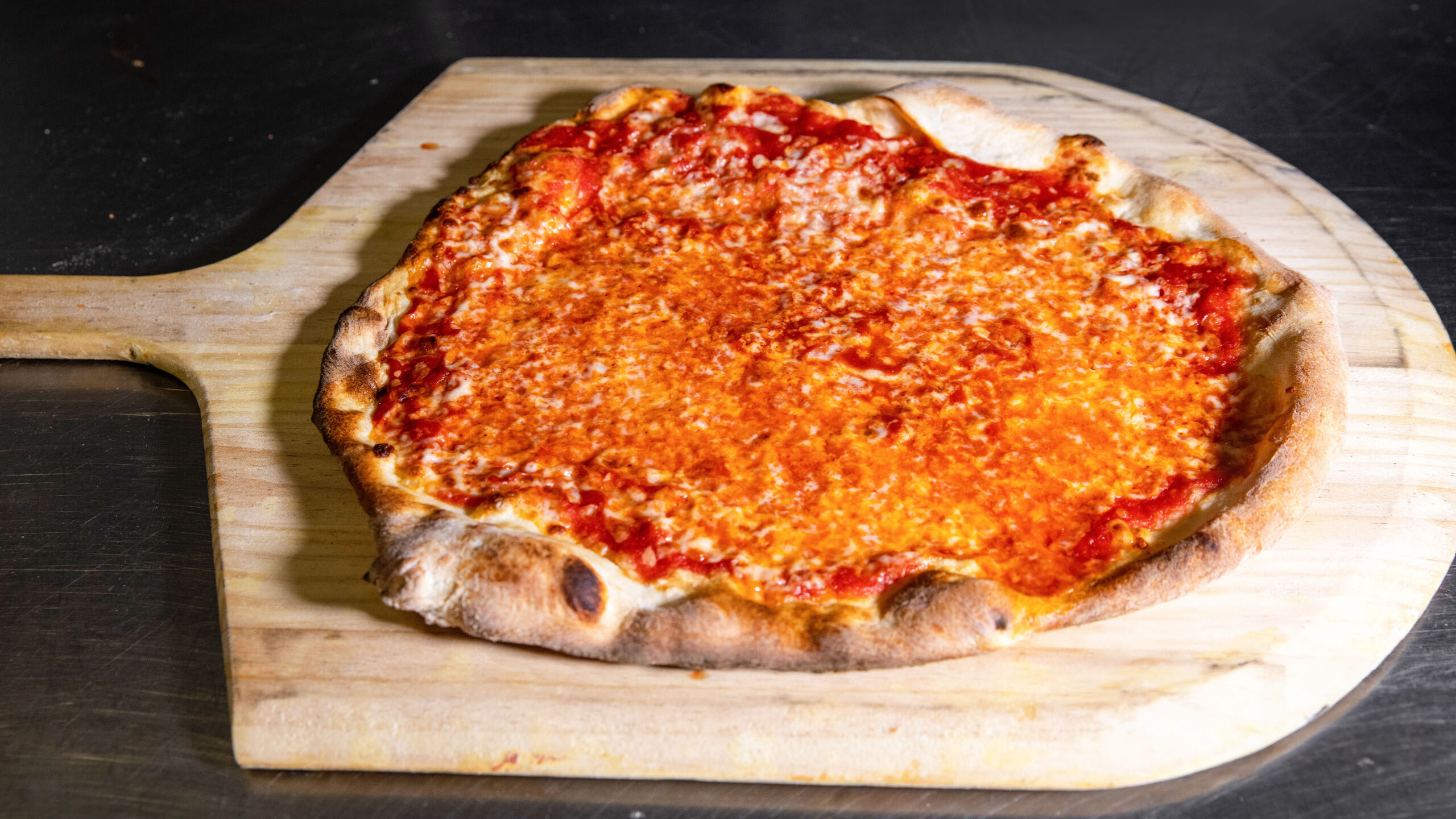
A cheese pizza can come out of the oven looking perfect, only to lose its edge ten minutes later. The cheese stays stretchy, the sauce still tastes bright, yet the crust softens underneath and the bottom turns limp. That shift happens fast, and once it does, there is no easy way to bring back the same crisp texture the pie had at the moment it left the oven.
If you care about pizza, especially a straightforward cheese pizza where there is nowhere to hide, crispness is not a small detail. It shapes the whole eating experience. A crust with a dry, crackling underside gives structure to every bite. It supports the cheese instead of collapsing under it. It also creates contrast, which is one of the main reasons a simple cheese pizza can taste so satisfying when it is handled well.
Keeping pizza crispy after baking is mostly a matter of moisture control. Heat matters, of course, but steam is the real enemy. The crust leaves the oven full of trapped heat, and that heat keeps pushing moisture outward. If the slice sits on a flat surface, rests in a closed box, or gets stacked too soon, the steam condenses and soaks back into the crust. That is when crisp turns to chew, then chew turns to soggy.
I have seen this problem in home kitchens, pizzerias, catered events, and test bakes where the pizza itself was excellent but the holding method ruined the result. The good news is that the fix is rarely complicated. It comes down to what happens in the first few minutes after baking, how you slice and serve, and whether you treat pizza like a hot baked good that still needs airflow, rather than like a finished product that can be parked anywhere.
The first five minutes decide almost everything
Most texture loss happens immediately after the pizza leaves the oven. A cheese pizza may look stable on the peel or pan, but it is still releasing a surprising amount of steam. The hotter the sauce and cheese, the more moisture is moving upward and outward.
When people lose crispness, it is usually because they move too quickly in the wrong direction. They slide the pizza onto a plate, shut it in a cardboard box, or leave it on the baking sheet. Each of those traps steam under the crust. The pizza has nowhere to vent, so the underside softens.
The best move is simple: transfer the pizza to a surface that allows airflow. A wire rack works especially well. Even a raised perforated pizza screen can help if that is what you have. The point is not to cool the pizza aggressively. It is to let excess steam escape before it condenses.
This feels counterintuitive to some cooks because they worry the pizza will get cold. In practice, a fresh cheese pizza holds plenty of Cheese Pizza heat for several minutes. Giving it a brief rest on a rack usually improves the texture without sacrificing the eating temperature. In fact, the pizza often tastes better after a short one to two minute rest because the cheese settles slightly and the slices cut more cleanly.
Why cheese pizza goes soft faster than people expect
Cheese pizza sounds simple, but it has a built-in moisture challenge. The toppings are minimal, so every component matters more. The sauce carries water. The cheese releases oil and moisture as it melts. If either is applied too heavily, the crust absorbs the excess.
A heavily topped vegetable pizza often gets blamed for sogginess, but a basic cheese pizza can suffer just as much if the balance is off. Too much sauce near the center creates a wet layer directly over the dough. Too much cheese forms a blanket that traps steam. If the crust is not fully baked through, that moisture has an easy path back down.
This is why a crisp cheese pizza begins before the pizza is ever baked. A properly stretched dough, moderate sauce application, and sensible cheese coverage set the stage. After baking, the goal is to preserve the crispness you built, not fight a moisture problem that was already baked in.
Do not leave the pizza on the pan
This is one of the most common mistakes at home. The pizza comes out of the oven on a sheet pan, stone-steel transfer peel, or pizza screen, and then just stays there. It seems harmless, but that hot surface keeps heating the crust from below while trapping moisture around it. On a solid sheet pan, the underside can go from crisp to soft in a matter of minutes.
If you baked on a steel or stone, transfer the pizza off as soon as the crust is set. If you baked on a pan, remove it from the pan as soon as it can be handled safely. The same rule applies to frozen cheese pizza, homemade pizza, and take-and-bake pies. If you want a crisp bottom, the crust needs exposure to moving air.
I have tested this side by side with identical pizzas. One goes onto a rack. The other stays on the pan. After five minutes, the difference is obvious when you pick up a slice. The rack-held pie still has resistance and a dry underside. The pan-held pie bends more, and the bottom feels slightly damp even if it still looks browned.
The best surfaces for holding a freshly baked pizza
Not every kitchen has a dedicated pizza setup, but you do not need a professional line to hold crust texture. You just need a surface that releases heat and allows airflow.
A wire rack is the most reliable option for short-term holding. It lifts the pizza so steam can escape in every direction. If the full pie feels awkward on a rack, you can set it there for one minute, then move it to a cutting board to slice.
A wooden cutting board is decent for brief service, especially if the pizza has already vented for a minute or two. Wood is better than a plate because it does not trap condensation the same way a flat ceramic surface does. Still, a board is a serving surface, not a steam-management tool. If you skip the venting stage and go straight to the board, the crust may soften underneath.
A plate is usually the worst choice for an unsliced whole pizza or multiple hot slices. Plates collect moisture. Anyone who has ever lifted a slice and seen a faint wet patch under it has witnessed this firsthand.
Cardboard boxes are useful for transport, but they are not friendly to crispness. Better pizza boxes have some venting, which helps, but even a good box softens the crust over time. If you are boxing pizza at home, letting it vent first will noticeably improve the result.
Slicing changes the moisture balance
Cutting the pizza creates escape routes for steam. That can help, but timing matters.
If you slice too early, while the cheese is still very loose and actively bubbling, moisture can rush out and pool in the cuts or on the serving surface. If you wait too long, the whole pie continues steaming from the center while the crust sits underneath absorbing it.
The sweet spot is a short rest, usually around one to two minutes for a medium cheese pizza. At that point the cheese has settled enough to cut cleanly, but the pizza is still hot and lively. Once sliced, the exposed edges let steam dissipate more easily. If you are serving right away, this is ideal.
For longer holding, individual slices should not be stacked. Stacking traps heat and steam between slices, which quickly destroys crispness. Over the years, I have seen many good pizzas ruined at parties and family gatherings this way. People are trying to save space, but they are sacrificing texture. A single layer with a little breathing room is much better.
If you need to hold pizza before serving
Sometimes pizza cannot go Cheese Pizza straight from oven to table. Maybe you are finishing several pies for a group. Maybe one pizza is done before the rest of dinner. Maybe you are transporting a cheese pizza across town. In those situations, crispness becomes a holding problem rather than just a baking problem.
The key is moderate heat with ventilation. If you hold pizza in a warm oven, set the temperature low enough that the cheese does not overcook, generally around 170 to 200 degrees Fahrenheit if your oven allows it. More important, do not place the pizza on a solid pan unless you use a rack over it. Airflow underneath still matters. A pizza left flat in a warm oven can become both overbaked and soggy, which is an especially frustrating combination.
For a party, I prefer this rhythm: bake the cheese pizza fully, vent it briefly on a rack, slice it, and hold the slices on a rack set over a sheet pan in a low oven for a short time. That keeps the bottom drier than parking whole pies on sheet trays.
For transport, vent the pizza for a minute before boxing if possible. Keep the box level and do not wrap it tightly in insulating bags unless the trip is long enough to justify the trade-off. Those bags preserve heat well, but they also preserve humidity. For a ten-minute drive, too much insulation can hurt the crust more than it helps the temperature.
Reheating without killing the crust
A lot of people think leftover pizza crispness depends mainly on microwave avoidance, and that is true as far as it goes. But reheating also exposes the same original issue: moisture needs somewhere to go.
The best reheating methods re-dry the crust while warming the toppings evenly. A skillet works surprisingly well for slices because it reheats the bottom directly while allowing you to control the top heat. An oven or toaster oven also works well, especially for several slices at once. What you want to avoid is enclosing the pizza in a moist environment.
Here is a practical reheating checklist that protects crust texture:
- Start with a preheated surface, whether that is a skillet, steel, stone, or oven.
- Reheat only until the cheese loosens and the slice is hot, not until oil floods the surface.
- Leave space between slices so steam can escape.
- If using a skillet, cover briefly only if the cheese needs help melting, then uncover to keep the crust dry.
- Serve immediately after reheating, rather than letting slices sit on a plate.
A microwave can still have a narrow use case if you only care about speed and plan to finish the slice in a hot pan or oven. On its own, it almost always softens the crust because it excites water so efficiently. That softening is not a moral failure, just physics.
Sauce and cheese choices matter more than most people think
Even though this article focuses on after-baking technique, ingredient behavior plays a direct role in how well crispness holds.
A wetter sauce undermines the bottom crust, especially at the center of a cheese pizza where sauce is usually spread most thickly. If your homemade sauce is very loose, reduce it a bit or drain off excess liquid before using it. You do not need a paste-like consistency, but you do want a sauce that clings to a spoon rather than running off it.
Cheese matters too. Fresh mozzarella, for example, can be excellent on pizza, but if it is not drained properly it releases enough moisture to soften the pie quickly. Low-moisture mozzarella is easier to manage if your top priority is a lasting crisp crust. Even then, quantity matters. Many home cooks use more cheese than they realize. On a cheese pizza, a moderate layer browns better, vents better, and keeps the crust crisper than a heavy blanket of dairy.
There is also the oil factor. Cheese releases fat as it bakes, and while that fat can help fry the surface of the pizza slightly, too much can pool with moisture and soften spots over time. The balance is subtle. A well-made cheese pizza should look glossy and rich, not greasy and flooded.
The crust itself has to be baked far enough
No holding trick can rescue an underbaked crust. If the interior crumb is still damp and the bottom never fully set, the pizza will go soft no matter how carefully you handle it after baking.
This is particularly common in home ovens that are not fully preheated, or when dough is stretched too thick in the center. A crust that looks golden on the rim can still be pale underneath. On a cheese pizza, you want true color on the bottom, not just surface browning around the edges.
Experience teaches you to read more than color alone. A properly baked crust feels lighter in the hand. It has a firmer base when lifted with a peel. The center does not sag dramatically. When tapped from underneath, it sounds drier and more hollow than a soft crust does. Those cues matter because crispness starts with structure, not with a last-minute trick.
Common habits that quietly ruin crispness
Most soggy pizza is not caused by one dramatic mistake. It is usually the result of a few ordinary habits that seem harmless in the moment.
- Leaving the pizza on the hot pan or screen too long after baking
- Cutting and stacking slices while they are still steaming heavily
- Boxing the pizza immediately with no venting period
- Using too much sauce or overly wet cheese
- Holding pizza on a flat plate or tray with no airflow underneath
These problems compound one another. A slightly wet cheese layer might be fine on a well-baked crust that is vented on a rack. The same pizza becomes disappointing if it also sits on a pan, goes straight into a box, and waits fifteen minutes before being served.
That is why small process changes can have outsized results. You do not need to transform your recipe. Often, you only need to manage the first few minutes after the bake with more intention.
For home ovens, simplicity wins
Professional deck ovens, conveyor ovens, and wood-fired ovens each create different crust textures, but the principles after baking are surprisingly consistent. Home cooks sometimes assume they need special gear to keep cheese pizza crispy, yet the biggest improvements usually come from very basic habits.
If I were advising someone who makes pizza once a week and wants better texture immediately, I would tell them to focus on three things: bake the pie thoroughly, move it off the hot baking surface quickly, and let it vent before serving or boxing. Those three moves solve most crispness problems.
A cooling rack costs very little and does a lot. So does restraint with sauce and cheese. People often chase advanced fixes because they feel more serious, but crisp pizza is usually preserved through simple discipline rather than gadgetry.
When softness is not actually failure
It is worth saying that not every pizza should stay shatteringly crisp. Some styles are meant to soften slightly as they sit. A New York style cheese pizza, for example, often has a crisp edge and base when fresh but becomes more foldable after a few minutes. That is normal, and plenty of people like it that way. A pan pizza may keep a fried, crunchy underside longer because of the oil and the pan contact, but it has a different texture profile from the start.
The real question is not whether the pizza remains exactly as it was at second one out of the oven. It is whether it holds enough structure and dryness to stay enjoyable. A little softening is natural. A damp bottom that sticks to the plate is not.
That distinction helps avoid overcorrecting. If you hold a cheese pizza too aggressively in pursuit of crispness, you can dry out the cheese, toughen the crust, or let the sauce lose its fresh flavor. Crispness matters, but not at the expense of the pizza as a whole.
The practical standard to aim for
For most cheese pizza, the sweet spot is this: the bottom stays dry and lightly crisp, the slice supports itself with only a gentle bend, and the cheese remains hot and supple without shedding water. That is a better target than an ultra-rigid crust that eats like a cracker.
If you remember one principle, make it this one: moisture trapped under hot pizza is what ruins crispness. Every smart choice after baking addresses that issue. Airflow underneath, a brief venting rest, sensible slicing, and careful holding all serve the same goal.
A great cheese pizza does not need much ornament. It just needs respect in that short window between oven and plate. Handle it well, and the crust keeps its edge long enough for the pizza to taste the way it should: balanced, structured, and unmistakably alive.
Brooklyn Pizza
1647 Arapahoe Ave
Boulder, CO 80302
+1 720-328-2324
FAQ About Cheese Pizza
What type of cheese is used on a cheese pizza in Boulder, CO?
The cheese varies by pizzeria. Brooklyn Pizza uses whole-milk mozzarella made in-house on its standard pies and offers a plant-based cheese option for vegan pizza. Ask the shop directly about ingredients if you have a dietary restriction.
How many slices are in a large pizza in Boulder, CO?
Slice count depends on how the shop cuts the pie. Brooklyn Pizza lists a 16-inch large pizza. If you are ordering for a group, call to confirm the number of slices or ask whether a smaller cut is available.
What is New York style pizza in Boulder, CO?
New York-style pizza usually has a thin crust and wide slices that can be folded. A classic cheese slice pairs tomato sauce with mozzarella. Brooklyn Pizza serves New York-style pizza by the slice and as whole pies.
❧